Slider Image
Slider Thumb
Slider Thumb

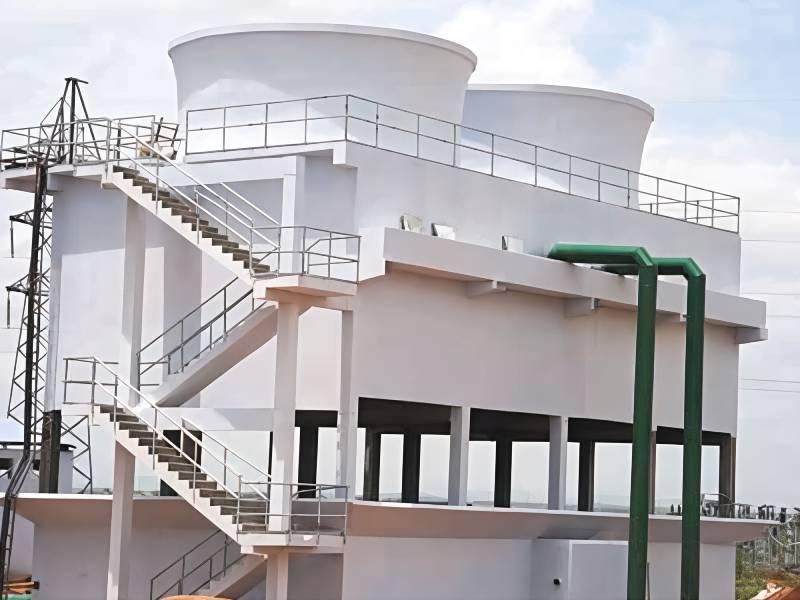
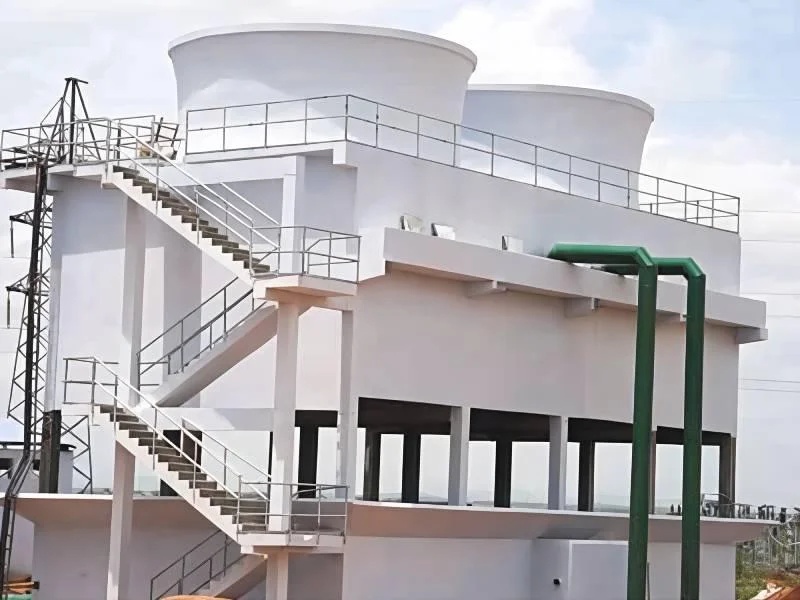
RCC Cooling Towers are engineered with reinforced concrete structures for large scale cooling requirements. The robust construction ensures high structural strength and resistance to environmental conditions. These towers are suitable for continuous heavy duty operation. Large capacity heat rejection is achieved through optimized air and water flow design. The concrete structure supports tall and wide tower configurations. Performance remains stable under long term thermal loads. Maintenance requirements are lower due to strong structural integrity. The system is ideal for power plants and large industrial facilities. Outdoor installation is supported for open utility spaces. The design allows for long operational life. Custom engineering is applied based on site and project needs.

Cheque,NEFT And RTGS

Key Attributes
Industry-specific Attributes
  • Construction Material Reinforced cement concrete
  • Cooling Capacity Utility and large industrial scale
  • Structural Strength High load bearing capability
  • Operational Life Long term service design
  • Environmental Resistance Weather and corrosion resistant
  • Installation Type Permanent outdoor structure
  • Thermal Load Handling Continuous high heat rejection
  • Maintenance Focus Structural durability
Other Attributes
  • Design Configuration Tall and wide tower layout
  • Energy Usage Optimized for large systems
  • Customization Level Project specific engineering
  • Integration Scope Utility and plant wide cooling
  • Safety Factor High structural safety margins
  • Project Scale Large infrastructure applications
  • End User Segment Power and heavy industrial operators
Slider Image
Slider Thumb

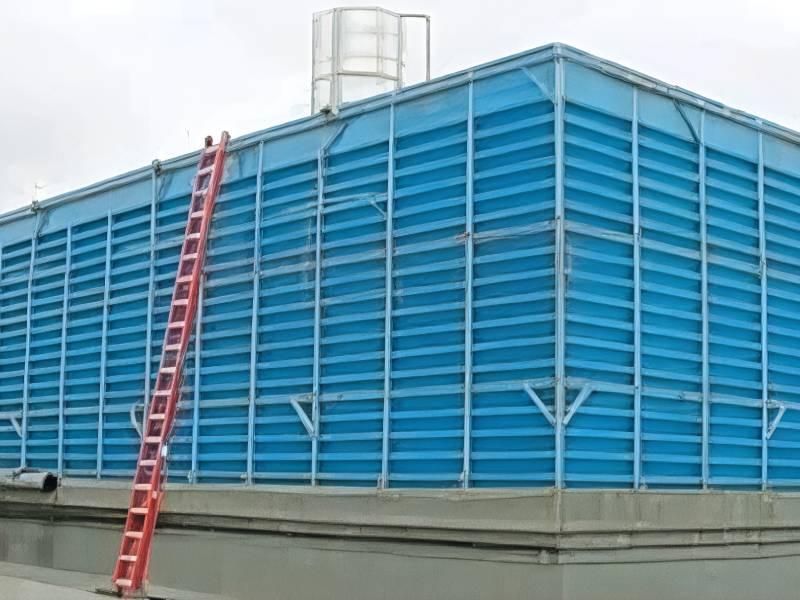
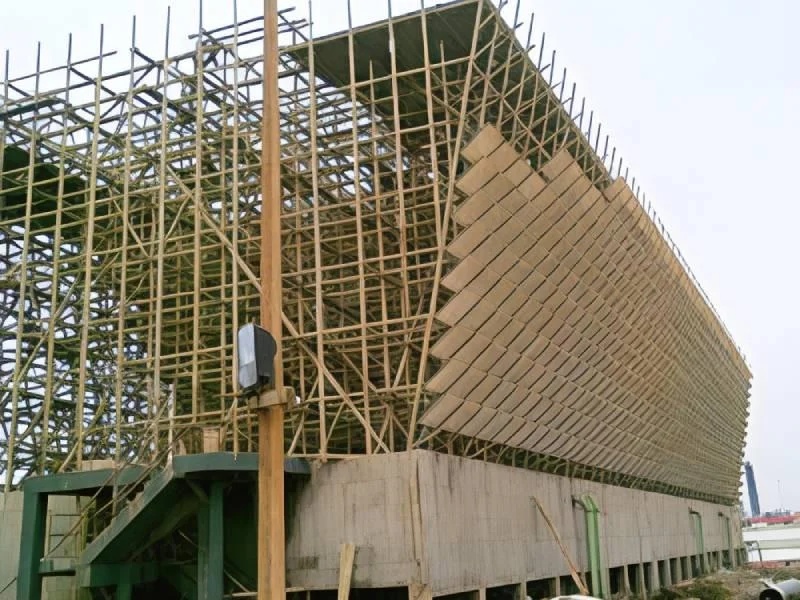
Wooden Cooling Towers are designed using treated timber structures for industrial cooling applications. The timber framework offers strength and flexibility for long term operation. Natural vibration absorption improves operational stability. The tower design supports efficient air and water contact for effective heat rejection. Wooden construction performs well in outdoor industrial environments. Maintenance access is manageable through structured layout. The system supports continuous process cooling requirements. Energy efficient airflow design enhances thermal performance. The towers integrate easily with industrial utility systems. Performance remains consistent under variable process loads. Custom designs can be provided based on capacity and site conditions.

Cheque,NEFT And RTGS

Key Attributes
Industry-specific Attributes
  • Structure Material Treated timber construction
  • Cooling Function Industrial process heat removal
  • Vibration Control Natural timber absorption
  • Operational Duty Continuous industrial operation
  • Thermal Stability Consistent cooling output
  • Noise Level Reduced operational noise
  • Installation Environment Outdoor industrial sites
  • Maintenance Access Structured service layout
Other Attributes
  • Airflow Design Optimized for timber towers
  • Customization Scope Capacity and layout based
  • Durability Focus Long term timber performance
  • Environmental Adaptability Suitable for open areas
  • Integration Capability Utility and process compatible
  • Design Flexibility Project specific engineering
  • End User Segment Industrial process cooling users
Slider Image
Slider Thumb

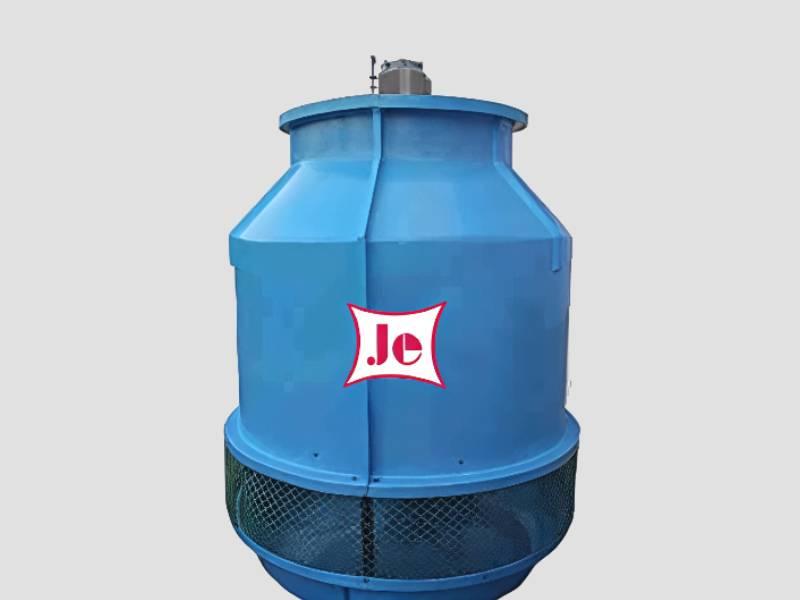
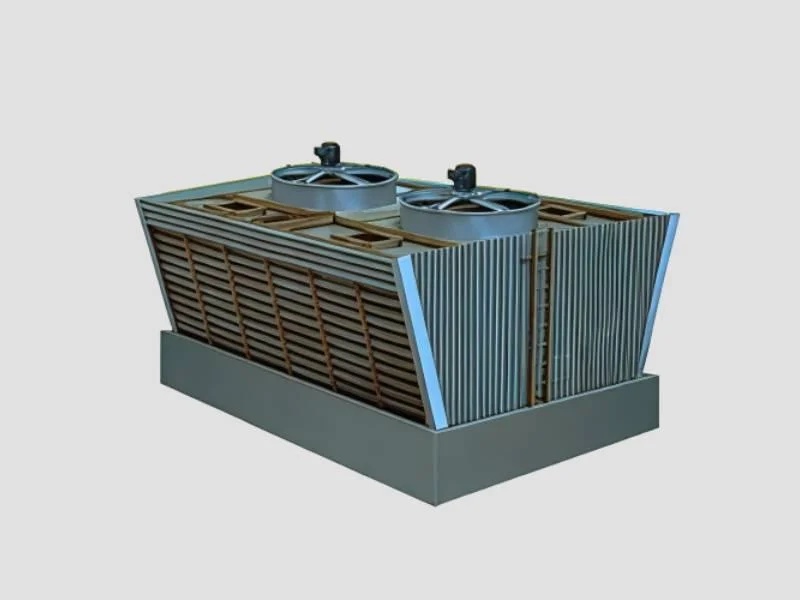
Induced Draft Wooden Cooling Towers are engineered with top mounted fans to enhance airflow efficiency. The induced draft configuration pulls air uniformly through the cooling media. Wooden construction provides structural strength and natural vibration absorption. Enhanced airflow improves air and water interaction for effective heat transfer. The system ensures stable cooling performance under continuous operation. Energy efficient fan operation supports reduced power consumption. Top air discharge minimizes warm air recirculation. Maintenance access is simplified with structured component arrangement. The cooling tower integrates well with industrial utility systems. Performance remains consistent under varying process loads. Custom design options are available to meet site specific requirements.

Cheque,NEFT And RTGS

Key Attributes
Industry-specific Attributes
  • Airflow Design Induced draft enhanced airflow
  • Fan Position Top mounted configuration
  • Structural Material Timber construction
  • Cooling Objective Industrial process heat removal
  • Thermal Efficiency Improved airflow performance
  • Energy Usage Optimized fan power consumption
  • Operational Stability Continuous duty operation
  • Vibration Control Timber based damping
Other Attributes
  • Air Discharge Top discharge arrangement
  • Maintenance Access Organized internal layout
  • Noise Control Reduced operational noise
  • Installation Environment Outdoor industrial use
  • Customization Level Capacity and layout adjustable
  • System Reliability Long term industrial performance
  • End User Segment Industrial process cooling operators
Slider Image
Slider Thumb
Slider Thumb

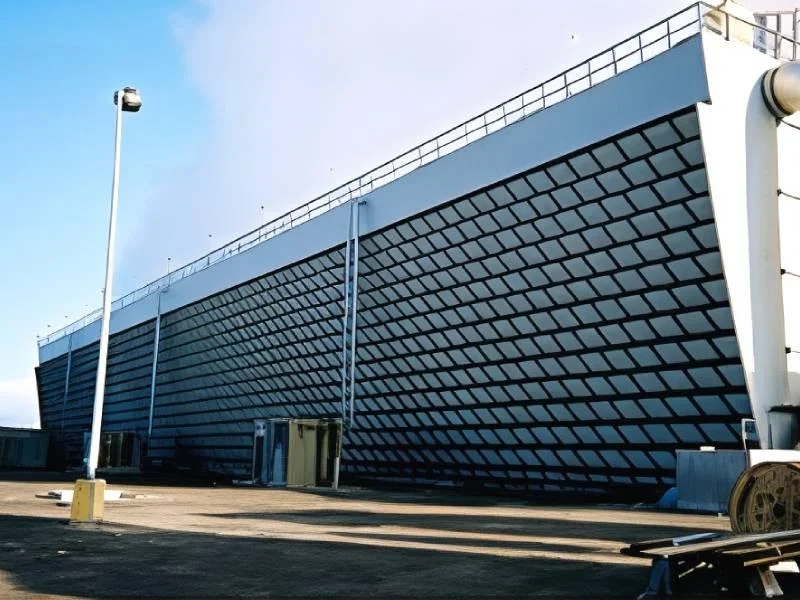
Reinforced Concrete Cement Cooling Towers are engineered using high strength concrete for long term operation. The robust structure supports continuous industrial and utility scale cooling. Concrete construction offers excellent resistance to environmental stress. The design allows for large cooling capacities and stable airflow. Heat rejection performance remains consistent over long operational periods. Maintenance requirements are reduced due to structural durability. The system is suitable for outdoor installation in open industrial areas. It performs reliably under high thermal loads. Long service life reduces lifecycle cost for operators. The cooling tower integrates with plant wide utility systems. Custom engineering is applied to match site and capacity requirements.

Cheque,NEFT And RTGS

Key Attributes
Industry-specific Attributes
  • Construction Type Reinforced cement concrete
  • Service Life Focus Long term durability
  • Cooling Capacity Large and utility scale
  • Structural Strength High load bearing design
  • Environmental Resistance Weather tolerant construction
  • Operational Stability Continuous duty performance
  • Installation Scope Permanent outdoor structures
  • Thermal Load Handling High heat rejection capability
Other Attributes
  • Maintenance Approach Structural longevity focused
  • Design Configuration Tall and wide tower layouts
  • Energy Usage Optimized for large systems
  • Customization Level Project specific engineering
  • Integration Capability Plant and utility systems
  • Lifecycle Cost Reduced long term ownership cost
  • End User Segment Utility and heavy industry operators
Slider Image
Slider Thumb
Slider Thumb

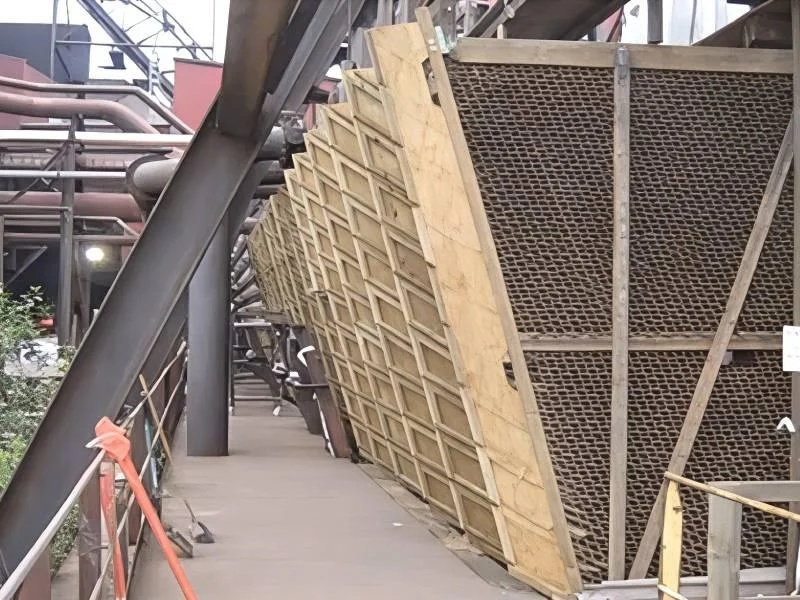
Wooden Fills Cooling Towers are designed with natural wooden packing to enhance water cooling efficiency. The wooden fills allow uniform spreading of water across the cooling area. Natural packing improves air and water contact for effective heat rejection. The design supports stable cooling performance under industrial operating conditions. Wooden fills are suitable for handling warm process water. The system operates efficiently in outdoor industrial environments. Maintenance access is manageable with structured internal layout. The cooling tower supports continuous water circulation. Energy efficient airflow design improves thermal performance. Integration with industrial utility systems is straightforward. Custom configurations are available based on capacity and site requirements.

Cheque,NEFT And RTGS

Key Attributes
Industry-specific Attributes
  • Fill Material Natural wooden packing
  • Cooling Medium Industrial process water
  • Heat Transfer Method Evaporative cooling
  • Water Distribution Even flow across fills
  • Operational Duty Continuous industrial use
  • Thermal Stability Consistent cooling output
  • Environmental Suitability Outdoor industrial areas
  • Maintenance Access Structured internal layout
Other Attributes
  • Airflow Design Optimized for wooden fills
  • Durability Focus Long term packing performance
  • Noise Level Low operational noise
  • Customization Scope Capacity and layout based
  • Integration Capability Utility system compatible
  • Design Flexibility Project specific engineering
  • End User Segment Industrial water cooling users