_209681.jpg)
_209681.jpg)
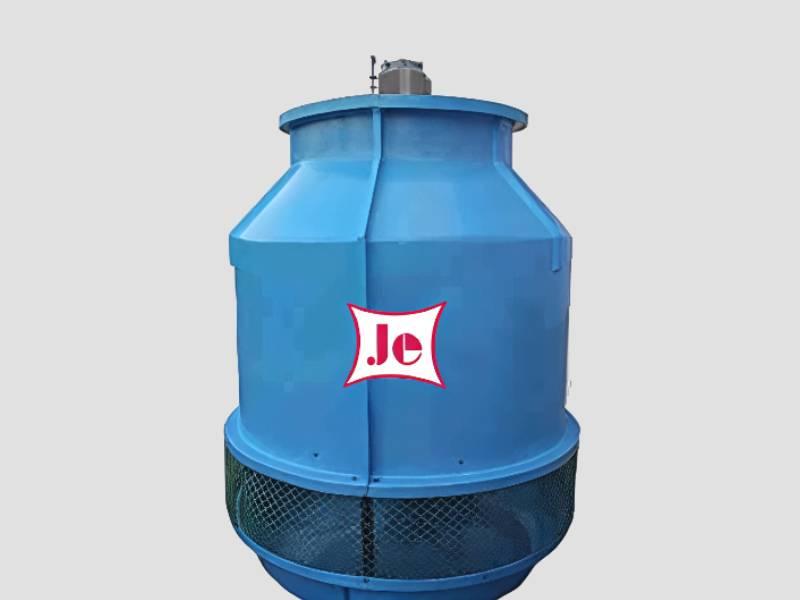
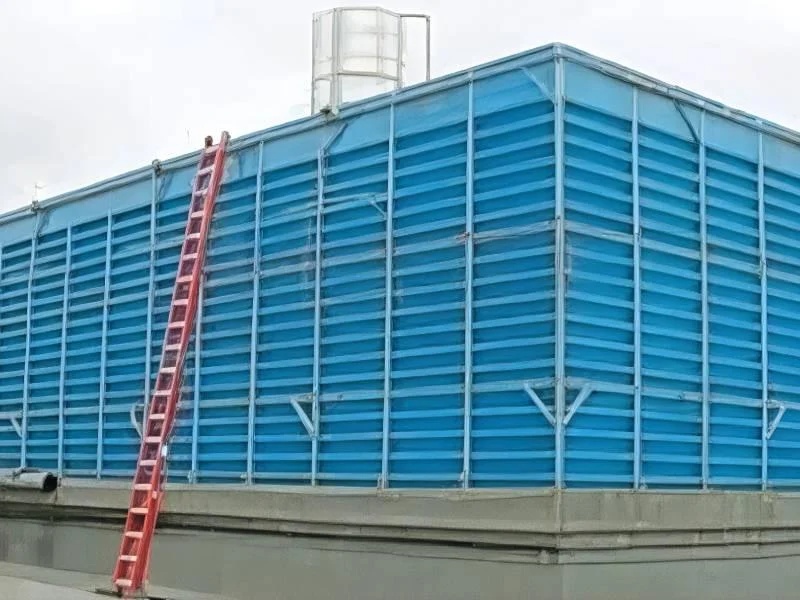
Fanless Cooling Towers Natural Air Circulation Energy Saving Design systems operate using passive airflow without the need for mechanical fans. The natural draft allows air to move upward through the water-laden fill media, dissipating heat efficiently. This eliminates energy usage associated with fan operation. The tower design ensures uniform water distribution for optimal cooling performance. Durable construction materials support continuous industrial operation. Maintenance requirements are reduced due to fewer mechanical components. The system integrates easily with existing process or utility infrastructure. Energy efficiency is inherently higher because of passive airflow operation. Performance remains stable under variable process loads. Noise levels are minimal, improving the work environment. Custom configurations can be designed to match site-specific requirements.
Cheque,NEFT And RTGS
Key Attributes
Industry-specific Attributes
- Airflow Method Natural draft circulation
- Fan Requirement None (passive cooling)
- Energy Efficiency Reduced operational power usage
- Water Distribution Uniform across fill media
- Operational Stability Continuous industrial operation
- Maintenance Requirement Minimal due to no fans
- Construction Material Durable and corrosion resistant
- Thermal Performance Stable under variable loads
Other Attributes
- Noise Level Low operational noise
- Installation Flexibility Indoor or outdoor suitability
- Customization Site and capacity specific design
- Load Handling Variable heat rejection capability
- Integration Compatible with existing process utilities
- Sustainability Focus Energy and resource efficient
- Target Users Industrial process and utility cooling operators
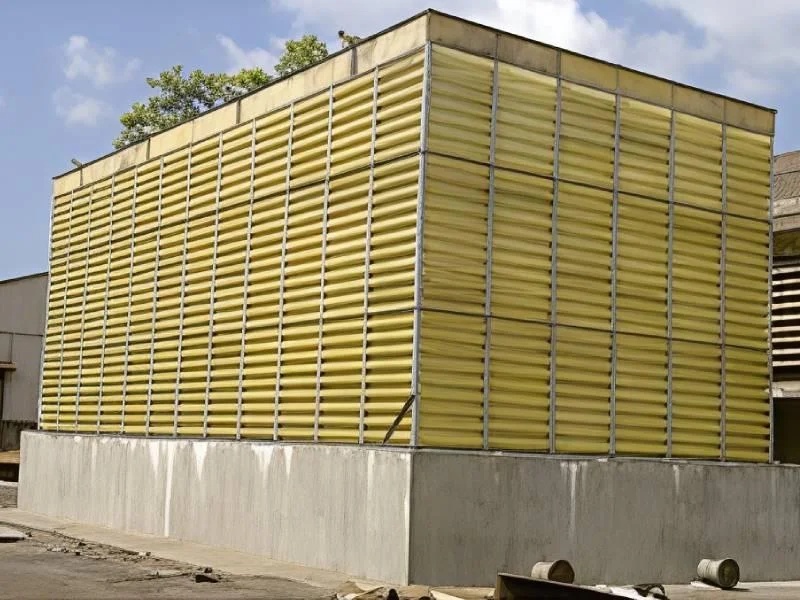
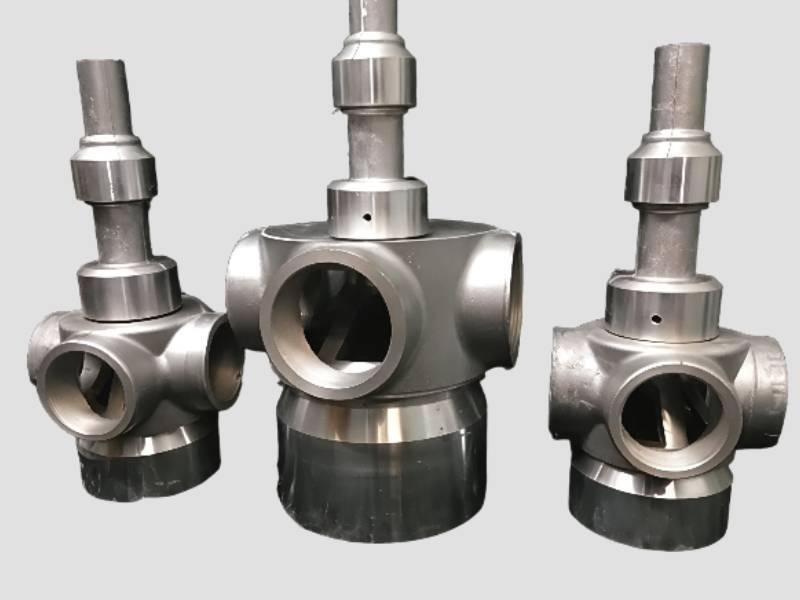
Fillless Cooling Towers are designed specifically for cooling applications involving dirty, muddy, or high solid content water. The spray cooling method allows hot water to be dispersed directly into the airflow for heat dissipation. Since there is no fill media, the risk of blockage and scaling is significantly reduced. This makes the system suitable for harsh industrial environments. The tower supports continuous operation with minimal performance loss. Maintenance is simplified due to the absence of internal packing. Durable construction ensures reliability under demanding conditions. The design accommodates fluctuating water quality without frequent shutdowns. Energy usage is optimized for spray based heat exchange. The system integrates easily with industrial process utilities. Custom designs are available to match site and process requirements.
Cheque,NEFT And RTGS
Key Attributes
Industry-specific Attributes
- Cooling Principle Spray based heat exchange
- Fill Media None (fillless design)
- Water Quality Tolerance Suitable for dirty and high solid water
- Clogging Risk Significantly reduced
- Maintenance Approach Easy cleaning and inspection
- Operational Reliability Stable with poor water quality
- Structural Simplicity Minimal internal components
- Fouling Control No packing to block flow
Other Attributes
- Application Focus Harsh industrial environments
- Load Handling Continuous duty cooling
- Water Distribution Method Spray nozzles
- System Robustness Heavy duty industrial build
- Integration Capability Fits existing process lines
- Customization Scope Spray pattern and tower layout
- Target Users Industries with poor water quality conditions
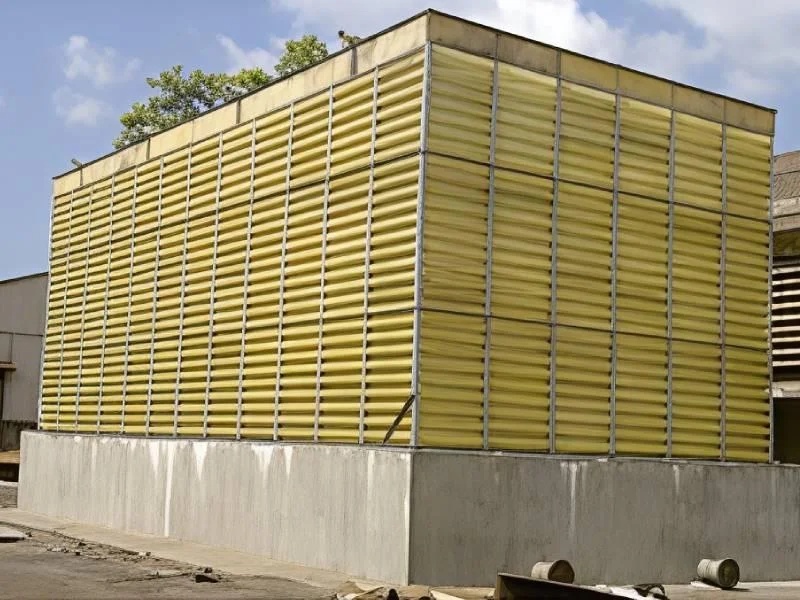
Fillless Cooling Towers are designed specifically for cooling applications involving dirty, muddy, or high solid content water. The spray cooling method allows hot water to be dispersed directly into the airflow for heat dissipation. Since there is no fill media, the risk of blockage and scaling is significantly reduced. This makes the system suitable for harsh industrial environments. The tower supports continuous operation with minimal performance loss. Maintenance is simplified due to the absence of internal packing. Durable construction ensures reliability under demanding conditions. The design accommodates fluctuating water quality without frequent shutdowns. Energy usage is optimized for spray based heat exchange. The system integrates easily with industrial process utilities. Custom designs are available to match site and process requirements.
Cheque,NEFT And RTGS
Key Attributes
Industry-specific Attributes
- Cooling Principle Spray based heat exchange
- Fill Media None (fillless design)
- Water Quality Tolerance Suitable for dirty and high solid water
- Clogging Risk Significantly reduced
- Maintenance Approach Easy cleaning and inspection
- Operational Reliability Stable with poor water quality
- Structural Simplicity Minimal internal components
- Fouling Control No packing to block flow
Other Attributes
- Application Focus Harsh industrial environments
- Load Handling Continuous duty cooling
- Water Distribution Method Spray nozzles
- System Robustness Heavy duty industrial build
- Integration Capability Fits existing process lines
- Customization Scope Spray pattern and tower layout
- Target Users Industries with poor water quality conditions
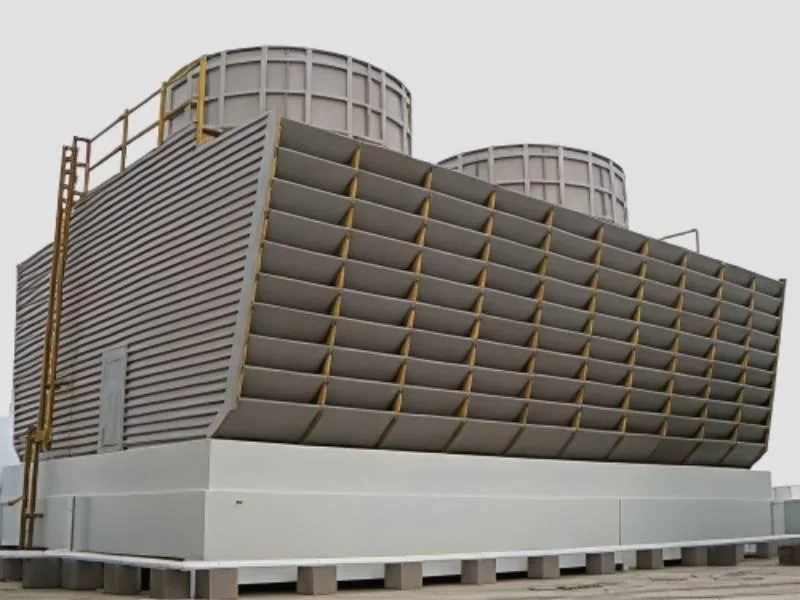
Induced Draft Wooden Cooling Towers operate using a top mounted fan to draw air upward through the cooling structure. The wooden construction provides durability and natural vibration absorption. Top air discharge ensures effective removal of warm, moist air away from the tower. This design improves overall cooling efficiency and performance consistency. The system supports stable operation under continuous industrial load. Uniform water distribution enhances air and water contact for effective heat rejection. Maintenance access is manageable with structured component layout. Energy efficient fan operation reduces overall power consumption. The cooling tower integrates well with existing industrial utilities. Performance remains stable under varying thermal conditions. Custom configurations can be designed to meet specific site and process requirements.
Cheque,NEFT And RTGS
Key Attributes
Industry-specific Attributes
- Airflow Type Induced draft configuration
- Air Discharge Direction Top discharge system
- Structural Material Wooden construction
- Cooling Focus Industrial process heat removal
- Fan Location Top mounted arrangement
- Thermal Efficiency Enhanced by induced airflow
- Operational Stability Continuous duty performance
- Vibration Control Natural damping by wood
Other Attributes
- Maintenance Access Structured internal layout
- Noise Control Reduced fan noise dispersion
- Installation Scope Industrial outdoor setups
- Integration Capability Utility and process compatible
- Customization Level Capacity and layout adjustable
- Performance Consistency Stable under varying loads
- End User Segment Industrial process cooling operators
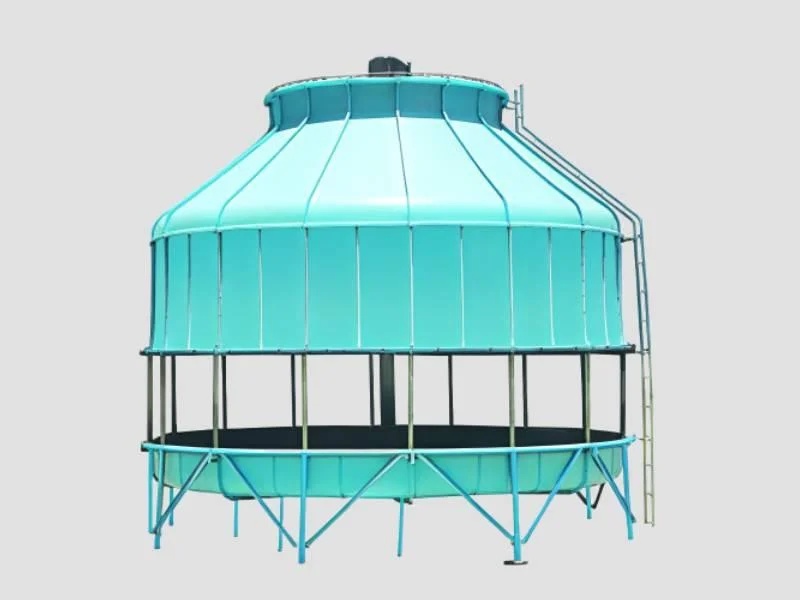
Induced Draft Cooling Towers are designed with fans positioned at the air outlet to control airflow efficiently. This configuration ensures uniform air movement across the entire cooling area. Controlled airflow enhances contact between air and water, improving heat transfer. The system delivers consistent cooling performance under varying load conditions. Energy efficient fans reduce overall power consumption. The design minimizes air recirculation, improving thermal efficiency. Durable construction supports long term industrial operation. Maintenance access is simplified through organized component layout. The cooling tower integrates easily with existing process utilities. Noise levels are controlled through optimized fan placement. Custom design options are available for capacity, layout, and operating environment.
Cheque,NEFT And RTGS
Key Attributes
Industry-specific Attributes
- Airflow Control Induced draft fan assisted
- Cooling Method Evaporative heat rejection
- Performance Stability Consistent cooling output
- Energy Usage Optimized fan power consumption
- Thermal Efficiency Improved air and water interaction
- Noise Management Controlled fan noise levels
- Structural Design Industrial grade construction
- Operational Duty Continuous process cooling
Other Attributes
- Maintenance Design Easy access components
- Integration Scope Utility and process compatibility
- Customization Range Capacity and airflow design
- Environmental Adaptability Outdoor industrial use
- Heat Load Handling Variable process conditions
- System Reliability Long term industrial performance
- End Use Sector Industrial and utility cooling systems
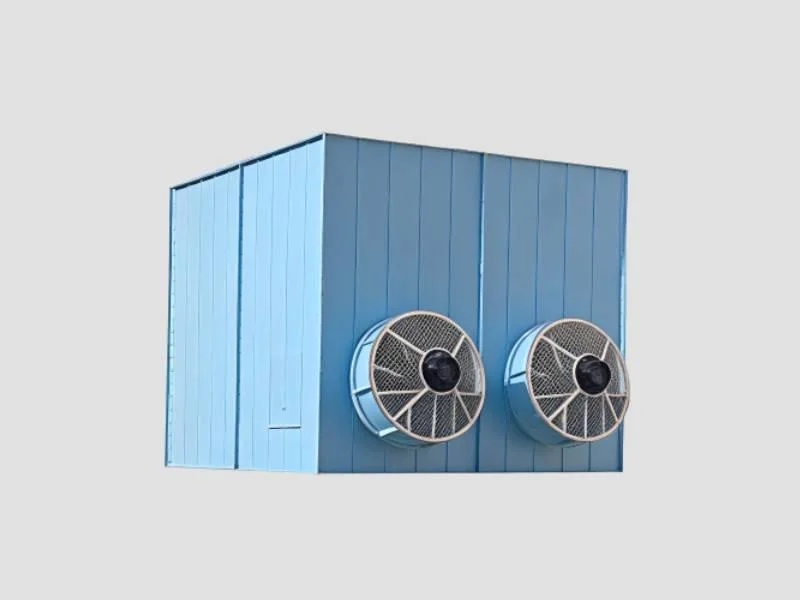
Forced Draft Cooling Towers are engineered with fans positioned at the air intake to force air through the cooling structure. The bottom air intake allows fresh ambient air to enter the system efficiently. This design is well suited for high heat load industrial processes. Strong airflow improves air and water contact, enhancing heat rejection. The system performs reliably under continuous and heavy duty operation. Energy efficient fan selection supports stable performance. Durable construction materials ensure long service life in industrial environments. Maintenance access is simplified due to organized component placement. The cooling tower integrates smoothly with existing plant utilities. Performance remains consistent during peak thermal demand. Custom configurations are available to match specific load and site requirements.
Cheque,NEFT And RTGS
Key Attributes
Industry-specific Attributes
- Airflow System Forced draft configuration
- Fan Position Air inlet mounted
- Air Intake Location Bottom intake design
- Load Handling High heat load capability
- Cooling Performance Strong heat rejection
- Operational Duty Continuous heavy duty use
- Energy Management Optimized fan efficiency
- Structural Strength Heavy duty industrial build
Other Attributes
- Maintenance Access Inlet side accessibility
- Installation Environment Industrial outdoor use
- Integration Capability Plant utility compatibility
- Customization Scope Airflow and capacity based
- Thermal Stability Reliable under peak loads
- System Durability Long term industrial operation
- End User Segment High load industrial cooling users
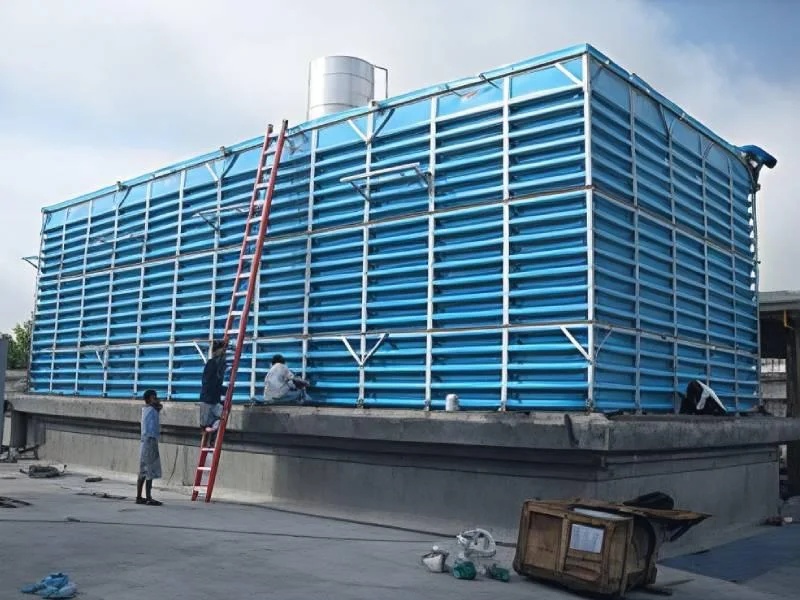
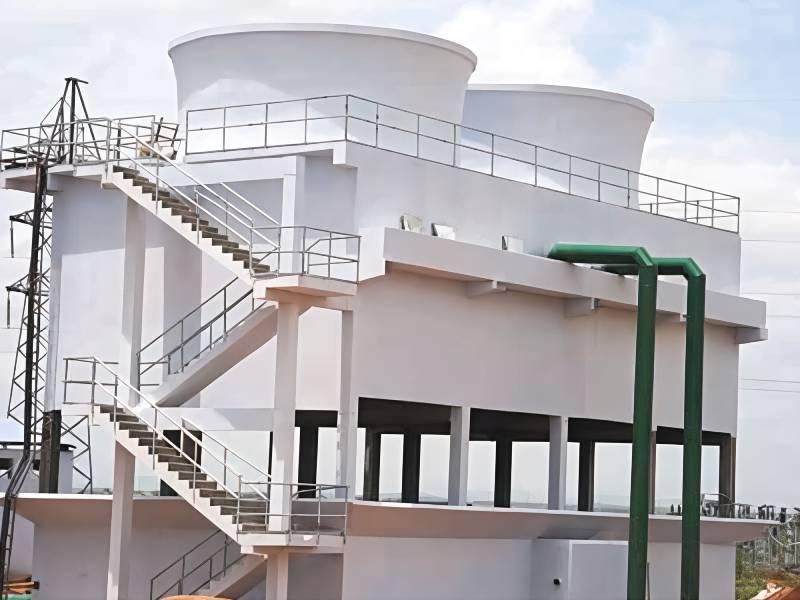
Natural Draft Cooling Towers operate based on the chimney effect created by height and temperature difference. Warm air rises naturally, drawing in fresh air from the bottom. This eliminates the need for mechanical fans and reduces energy usage. The design is suitable for very large cooling capacities. Structural height enhances airflow and cooling efficiency. The system provides stable and continuous heat rejection. Maintenance requirements are lower due to fewer moving components. These towers are ideal for long term industrial and utility operations. Performance remains consistent under steady thermal loads. The design supports outdoor installation in open areas. Custom engineering is applied to meet site and capacity requirements.
Cheque,NEFT And RTGS
Key Attributes
Industry-specific Attributes
- Air Movement Principle Chimney effect natural draft
- Fan Requirement Not required
- Cooling Capacity Range Large scale industrial use
- Energy Consumption Very low operational power
- Structural Height Tall tower configuration
- Operational Stability Long duration continuous use
- Maintenance Level Reduced mechanical upkeep
- Installation Area Large open outdoor sites
Other Attributes
- Thermal Load Handling Steady high heat loads
- Construction Scope Civil intensive structures
- System Longevity Long service life design
- Environmental Impact Energy efficient cooling
- Customization Level Project and site specific
- Integration Type Utility scale systems
- End Use Sector Power and heavy industries